11 Mar
How Poor Soil Quality Affects Lawn Growth
Posted By Ervin in Gardening
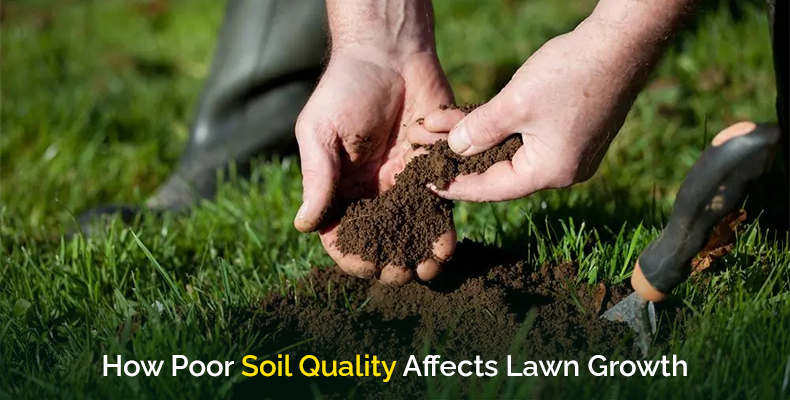
A healthy lawn depends on more than watering and mowing. The condition of the soil beneath the grass plays a major role in how well a lawn grows. Many homeowners struggle with thin grass, brown patches, or uneven growth, unaware that poor soil quality is often the root cause. Understanding how soil affects grass health can help you make better decisions to improve your yard and maintain long-term lawn health.
Why Soil Quality Matters for Lawns
Soil acts as your lawn’s foundation, providing grass roots with nutrients, water, oxygen, and structural support. When soil lacks these essentials or has poor structure, grass cannot thrive. Even if you water and fertilize regularly, unhealthy soil might still keep grass from absorbing what it needs.
With good soil, roots can grow deep and strong—helping grass survive drought, resist disease, and stay thick and green. Without proper nutrients or with compacted soil, however, root development stalls and the entire lawn weakens.
This is why professional lawn maintenance includes soil evaluation and improvement.
Nutrient Deficiency and Grass Health
Grass needs nitrogen, phosphorus, and potassium to thrive. Lacking these, lawns show signs of stress.
Common symptoms of nutrient-deficient soil include:
- Yellow or pale grass
- Slow growth
- Thin patches in the lawn
- Weak root systems
- Increased weed growth
When soil lacks sufficient nutrients, grass struggles to compete with weeds and other plants. Over time, this can lead to uneven lawns that require consistent lawn maintenance to restore balance.
A proper soil test can identify which nutrients are missing so the lawn can be treated accordingly.
Soil Compaction and Root Problems
Soil compaction is another common problem. It occurs when particles are pressed tightly together. Heavy foot traffic, construction, or mowing with heavy equipment often causes this issue.
Compacted soil creates several problems:
- Water cannot easily penetrate the soil.
- Air cannot reach the roots.
- Roots struggle to expand and grow.
- Nutrients become harder for plants to absorb
Roots become restricted by compacted soil, which leads to weaker grass that is much more vulnerable to drought and disease. To remedy this, aeration is often used to improve airflow beneath the lawn and relieve compaction.
Many homeowners use professional services for soil aeration and better lawn health.
Poor Drainage and Excess Moisture
How water moves through the ground depends on soil structure. Some soils drain too quickly. Others hold onto moisture for too long—both conditions can harm grass.
Clay-heavy soil tends to retain water for long periods. When soil remains overly wet, roots may begin to rot due to a lack of oxygen. On the other hand, sandy soil drains water too quickly, preventing grass from retaining enough moisture for healthy growth.
Signs of poor drainage include:
- Water pooling on the lawn
- Soft or muddy areas
- Patchy grass growth
- Increased fungal problems
Improve soil structure with organic matter and grading to regulate water and support grass growth.
Soil pH and Nutrient Availability
Soil pH indicates acidity or alkalinity. Most grasses prefer slightly acidic soil, with a pH between 6.0 and 7.0.
If the soil becomes too acidic or too alkaline, grass cannot absorb nutrients efficiently. Even when fertilizers are applied, the grass may still struggle to grow properly.
A soil test measures pH and guides lime or sulfur applications to restore balance and support healthy grass.
Experienced lawn care maintenance services often perform soil testing to ensure lawns receive the right treatments.
Long-Term Impact of Poor Soil Quality
When soil problems go unaddressed, lawns steadily weaken. Grass thins, weeds spread rapidly, and maintaining a green lawn becomes an uphill battle. Homeowners often end up reseeding, watering, and fertilizing—yet lasting results remain elusive.
Improving soil quality—through aeration, conditioning, compost, and fertilization—can strengthen a lawn in the long term.
Healthy soil means deeper roots, stronger grass, and less repair needed.
Final Thoughts
A thriving lawn starts with healthy soil. Lack of nutrients, compaction, or poor drainage hampers grass growth. Address soil issues early to improve conditions and reduce problems.
With proper soil care and consistent lawn maintenance, it becomes much easier to maintain a thick, green lawn that enhances the beauty of any property.